The check engine light (CEL) is a crucial indicator of your vehicle’s health, alerting you to potential issues that could affect performance and safety. Understanding what this light means, the common causes behind its activation, and the diagnostic procedures involved can save you time and money. In this article, we will explore the significance of the check engine light, the various reasons it may illuminate, and the steps to diagnose and address these issues effectively. Additionally, we will discuss the estimated repair costs associated with these problems and the importance of seeking professional diagnostics. By the end of this guide, you will have a comprehensive understanding of the check engine light and how to respond when it appears.
Meaning
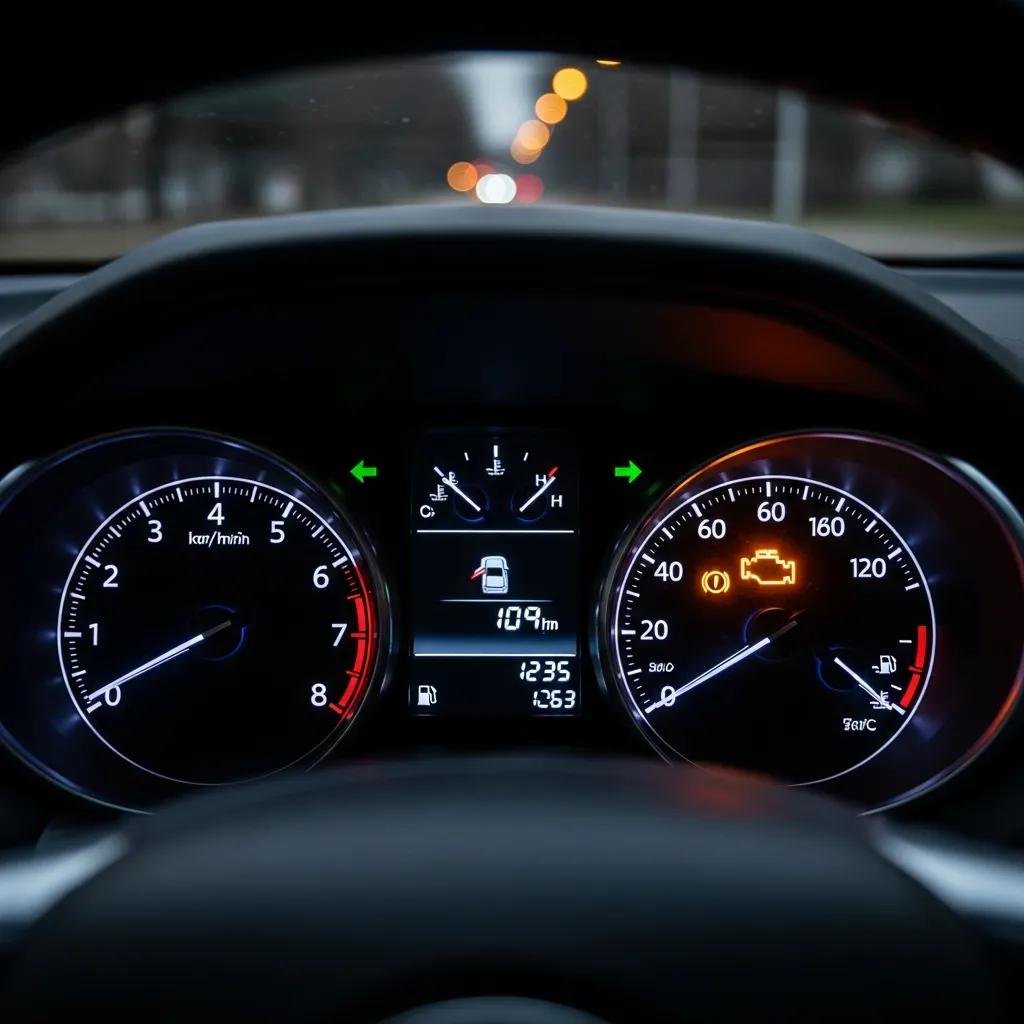
The check engine light serves as a warning system for your vehicle, indicating that the engine control unit (ECU) has detected an issue. This light can signify a range of problems, from minor issues like a loose gas cap to more serious concerns such as engine misfires or emissions system failures. Understanding the meaning behind the check engine light is essential for maintaining your vehicle’s performance and ensuring compliance with environmental regulations.
Common Causes
Several factors can trigger the check engine light, and recognizing these can help you address issues promptly. Common causes include:
Engine Misfires: This occurs when the engine fails to ignite fuel in one or more cylinders, leading to reduced performance and increased emissions.
Faulty Sensors: Sensors such as the oxygen sensor or mass airflow sensor can malfunction, causing incorrect readings that trigger the light.
Emissions System Problems: Issues with components like the catalytic converter or exhaust gas recirculation system can lead to increased emissions and activate the check engine light.
Understanding these common causes can help you identify potential issues before they escalate.
Diagnostic Procedures
When the check engine light comes on, it’s crucial to follow a systematic diagnostic process to identify the underlying issue. The diagnostic procedures typically involve:
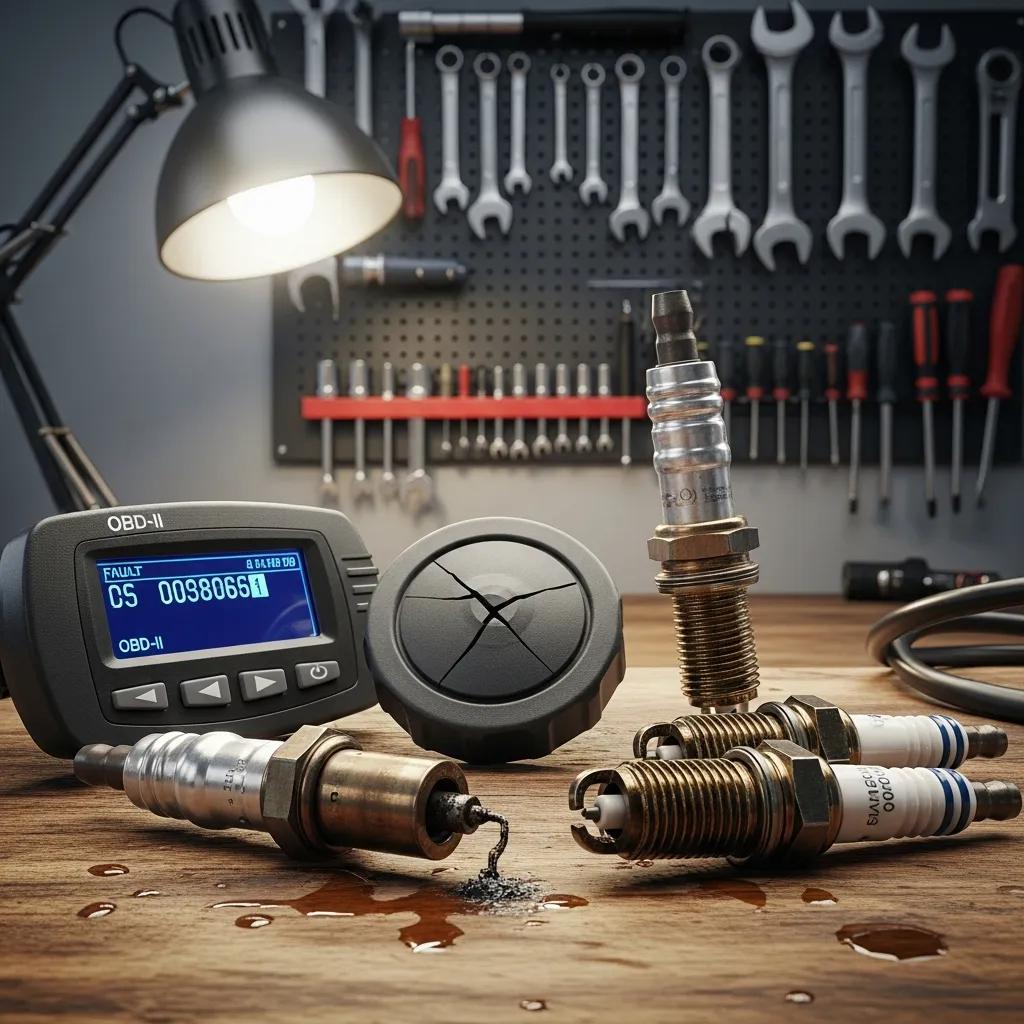
Reading Engine Fault Codes: Technicians use an OBD-II scanner to retrieve fault codes stored in the ECU, which provide insights into the specific issues affecting the vehicle.
The use of OBD-II technology is fundamental to modern vehicle diagnostics, allowing for precise identification of issues.
OBD-2 Technology for Vehicle Diagnostics & Information Systems
This article considers the research of OBD-2 technology for interaction with on-board vehicle systems, the creation of a unified system that can work with different makes and models of cars. The history of OBD-2 technology, its development, existing standards and their implementation in modern cars is described. Basic diagnostic functions are described, with which you can get information about the car, as well as perform its settings and send various commands to it.
Using OBD-2 technology for vehicle diagnostic and using it in the information system, V Golian, 2023
Sensor Diagnostics: This step involves checking the functionality of various sensors to ensure they are providing accurate data to the ECU.
Fuel and Ignition System Inspection: A thorough examination of the fuel and ignition systems can reveal problems that may not be immediately apparent from fault codes alone.
These diagnostic steps are essential for accurately identifying the cause of the check engine light and determining the appropriate repairs.
Estimated Repair Costs
Repair costs associated with the check engine light can vary significantly based on the underlying issue. Factors influencing these costs include the complexity of the problem, the make and model of the vehicle, and labor rates in your area. Typical price ranges for common repairs in Bridgeport, OH, include:
Service
Cost
Description
Engine Misfire Repair
$150 – $500
Depending on the cause, repairs may involve replacing spark plugs, ignition coils, or fuel injectors.
Oxygen Sensor Replacement
$100 – $300
Replacing a faulty oxygen sensor can improve fuel efficiency and reduce emissions.
Catalytic Converter Replacement
$1,000 – $2,500
This is a more extensive repair that may be necessary for emissions system failures.
Understanding these costs can help you budget for necessary repairs and avoid unexpected expenses.
Importance of Addressing the Check Engine Light
Ignoring the check engine light can lead to more severe problems down the line. Some of the risks associated with neglecting this warning include:
Reduced Vehicle Performance: Continuing to drive with an active check engine light can lead to decreased fuel efficiency and overall performance.
Increased Repair Costs: What may start as a minor issue can escalate into a more significant problem, resulting in higher repair costs.
Environmental Impact: Failing to address emissions-related issues can contribute to environmental pollution and may result in failing emissions tests.
Addressing the check engine light promptly is essential for maintaining your vehicle’s health and ensuring compliance with environmental standards.
Conclusion
In summary, the check engine light is a vital indicator of your vehicle’s health, and understanding its implications can save you time and money. If the light illuminates, it’s crucial to seek professional diagnostics to identify and address the underlying issues. At Route 40 Auto, we specialize in comprehensive auto repair and maintenance services, ensuring that your vehicle receives the attention it needs. Don’t hesitate to reach out for assistance when the check engine light comes on; prompt action can prevent more significant problems down the road.
what is a cel in a car, what is a cel light, Check Engine Light, route 40 auto, route 40 auto bridgeport oh, route 40 auto wheeling wv
How the Check Engine Light Works
The check engine light (CEL) operates as part of your vehicle's onboard diagnostics system, which monitors various engine components and performance metrics. When the system detects an anomaly, it triggers the CEL to alert the driver to potential issues that may require attention.
This warning light can indicate a range of problems, from minor issues like a loose gas cap to more serious concerns like engine misfires or catalytic converter failures. Understanding how this system functions can empower vehicle owners to respond appropriately when the light activates, potentially preventing more severe damage.
Common Misconceptions About the Check Engine Light
Many vehicle owners harbor misconceptions about the check engine light, often believing it only signals major problems or that they can ignore it without consequences. However, the CEL can illuminate for various reasons, and timely attention can prevent costly repairs down the line.
For instance, some may think that simply disconnecting the battery will reset the light, but this does not address the underlying issue. It’s crucial to understand that the check engine light is a diagnostic tool designed to help maintain your vehicle's health, and ignoring it can lead to more significant problems.
Preventive Measures to Avoid Check Engine Light Activation
To minimize the chances of the check engine light activating, regular vehicle maintenance is essential. This includes routine inspections, timely oil changes, and ensuring that all engine components are functioning correctly. By staying proactive, vehicle owners can often catch issues before they trigger the CEL.
Additionally, using high-quality fuel and replacing worn-out parts like spark plugs and oxygen sensors can significantly reduce the likelihood of CEL activation. Understanding these preventive measures can help maintain vehicle performance and longevity, ultimately saving owners time and money.
When to Seek Professional Help
While some minor issues can be addressed by vehicle owners themselves, there are times when seeking professional help is crucial. If the check engine light remains illuminated after troubleshooting or if it starts flashing, it indicates a more serious problem that requires immediate attention.
Professional technicians have the tools and expertise to diagnose complex issues accurately. They can perform comprehensive checks and repairs that may be beyond the scope of typical DIY efforts, ensuring that your vehicle is safe and operating efficiently.