Driving With a Faulty Catalytic Converter: Risks and Repairs
By Michael Malpezzi, Route 40 Auto
Driving with a faulty catalytic converter poses serious safety risks and can have significant implications for vehicle performance and environmental compliance. The catalytic converter is a crucial component of your car’s exhaust system, responsible for reducing harmful emissions. Understanding the consequences of a malfunctioning converter can help vehicle owners make informed decisions about their safety and repair options. In this article, we will explore the risks associated with a faulty catalytic converter, potential solutions, legal implications, common symptoms of failure, and how to address these issues effectively.
The Critical Risks of Driving With a Faulty Catalytic Converter
Driving a vehicle with a faulty catalytic converter can lead to several serious risks, including:
- Decreased Engine Performance: A malfunctioning catalytic converter can restrict the exhaust flow, leading to reduced engine efficiency and power.
- Increased Emissions: Faulty converters fail to process exhaust gases correctly, resulting in higher levels of pollutants being released into the atmosphere.
- Engine Damage: Continuous driving with a faulty converter may cause damage to other engine by overheating, leading to costly repairs.
- Safety Hazards: Problems with the catalytic converter can create back pressure in the engine, potentially leading to engine stall or failure while driving.
Understanding these risks emphasizes the importance of addressing any issues with the catalytic converter promptly.
Potential Solutions:
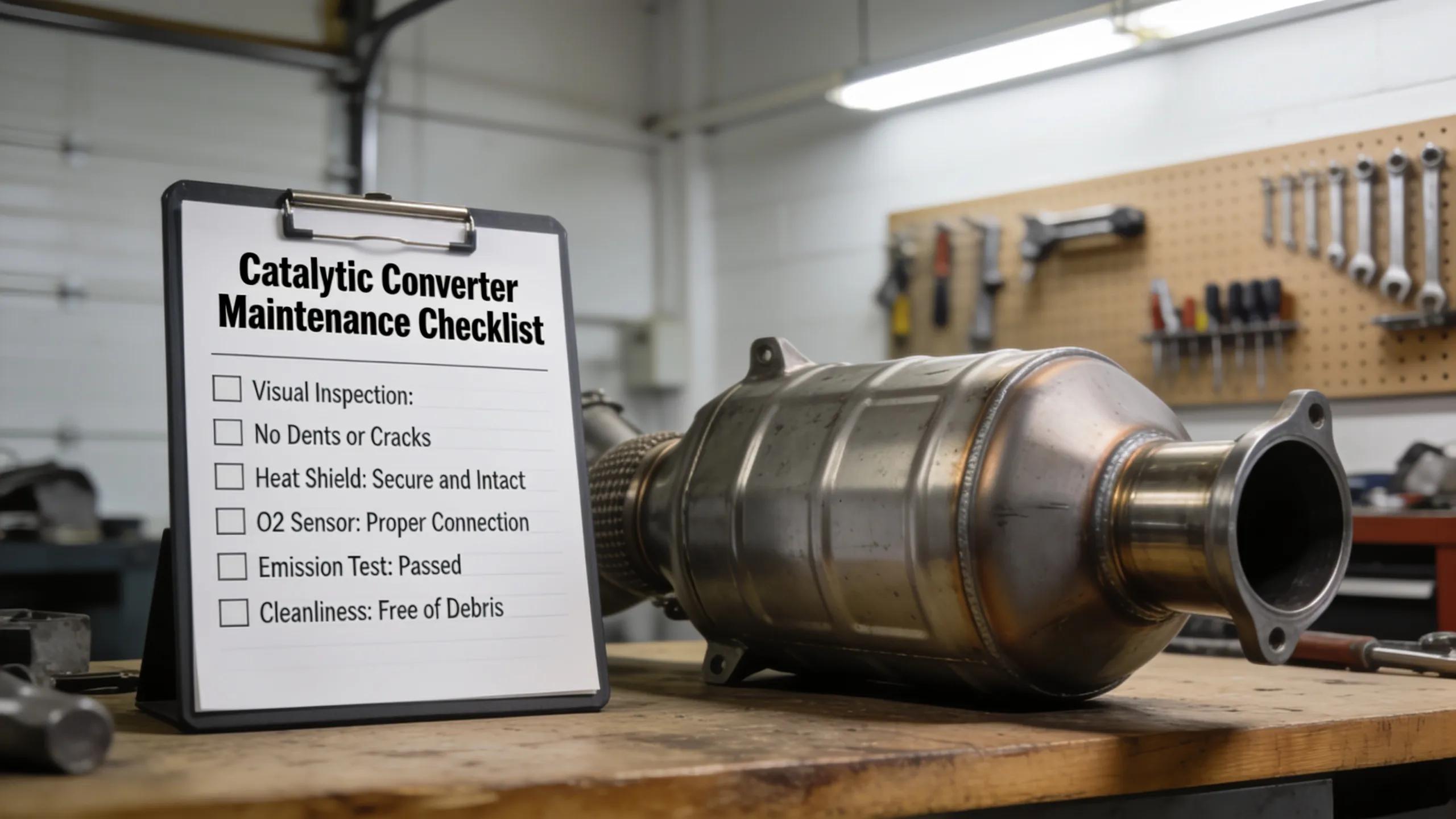
To mitigate the risks associated with a faulty catalytic converter, consider the following solutions:
- Regular Maintenance: Scheduled vehicle maintenance can help identify and rectify catalytic converter issues early on.
- Monitoring Driving Habits: Be aware of changes in vehicle performance and emissions, such as unusual exhaust smells or noises.
- Prompt Repairs: Seek immediate assistance if you notice any symptoms of catalytic converter failure to prevent further damage.
- Professional Diagnostics: Utilize advanced diagnostic tools to accurately assess and address catalytic converter problems.
By taking these proactive steps, vehicle owners can maintain optimal vehicle performance and safety.
Legal Implications:
Driving with a faulty catalytic converter may also have legal ramifications. It’s essential to understand the following points:
- Emissions Compliance: Many regions have strict emissions regulations that vehicles must meet. A faulty catalytic converter may result in failed emissions tests.
- Insurance Issues: If a vehicle were to malfunction due to a faulty converter, it could lead to complications with vehicle insurance claims.
- Potential Liability: Driving a vehicle that does not comply with emissions standards could expose the owner to fines or legal penalties.
Understanding these legal implications is crucial for all vehicle owners to ensure compliance and minimize risks.
What Are the Common Symptoms of Catalytic Converter Failure?
Recognizing the common symptoms of catalytic converter failure is vital for timely intervention. Key indicators include:
- Decreased Engine Performance: Noticeable loss of power during acceleration and overall engine sluggishness.
- Poor Fuel Economy: Increased fuel consumption can indicate that the catalytic converter is not functioning efficiently.
- Check Engine Light: This warning light may illuminate if there is an issue with the catalytic converter and give a code of P0420 or P0430.
- Rattling Noises: Dislodged or damaged internal components can cause a rattling or buzzing noise from the exhaust system.
- Unusual Exhaust Odors: A strong smell of sulfur or rotten eggs can indicate problems with the catalytic converter.
- Difficulty Accelerating: Hesitation during acceleration may signal an issue with the exhaust system.
- Increased Emissions: Visible exhaust smoke or unusual fumes can hint at converter failure.
Early detection of these symptoms can prevent more severe vehicle damage and ensure safety.
How Do Check Engine Light and Performance Issues Indicate Converter Problems?
The Check Engine Light (CEL) serves as an essential diagnostic tool for car owners. Here’s how performance issues relate to catalytic converter problems:
- Decreased Engine Performance Related to Converter: When the catalytic converter fails to function correctly, exhaust flow is restricted, directly impacting engine performance.
- Fuel Economy Impact: A failing catalytic converter can disrupt the engine’s air-fuel mixture, leading to increased fuel consumption.
- Check Engine Light Meanings: If the CEL illuminates, it often indicates specific trouble codes related to the catalytic converter or associated components.
- Rattling Sounds Interpretation: If you hear rattling noises when the engine is running, this could point to internal damage within the catalytic converter.
Addressing these issues promptly can prevent further complications and safeguarding against extensive vehicle repairs.
Which Driving Symptoms Reflect a Faulty Catalytic Converter?
Various driving symptoms can point to a malfunctioning catalytic converter, including:
- Specific Performance Indicators: Observing sluggish acceleration and poor throttle response could signal converter issues.
- Fuel Consumption Patterns: An unexpected increase in fuel usage may indicate an underlying problem.
- Diagnostic Trouble Codes (DTCs): If your vehicle’s diagnostic system retrieves DTCs related to emissions or catalytic converter inefficiencies, this requires immediate attention.
Recognizing these indicators is essential for maintaining vehicle health and performance.
What Are the Safety Risks of Driving With a Faulty Catalytic Converter?

Driving with a faulty catalytic converter poses several safety risks that car owners must consider:
- Impact on Vehicle Performance and Safety: A malfunctioning converter can lead to engine stalls or reduced power, increasing the likelihood of an accident.
- Environmental Concerns: Increased emissions contribute to air pollution, which has environmental and health implications.
- Legal Risks for Non-compliance: Operating a vehicle that fails to meet emissions standards can result in penalties or fines.
Understanding these safety risks highlights the urgency of addressing catalytic converter issues.
How Does a Malfunctioning Converter Impact Vehicle Emissions and Safety?
A malfunctioning catalytic converter critically impacts vehicle emissions and overall safety. Key points include:
- Increased Vehicle Emissions: A damaged converter fails to adequately process harmful gases, resulting in excessive emissions.
- Potential for Overheating: Blockages caused by a failing converter can lead to engine overheating, further compromising safety.
- Loss of Safety Compliance: Vehicles that do not conform to emissions standards can face fines or other legal consequences.
Immediate action is needed to rectify these issues to ensure compliance and safety on the road.
What Engine and Fire Hazards Arise From Ignoring Converter Faults?
Not addressing issues with the catalytic converter can lead to severe consequences, including:
- Risk of Engine Damage: Prolonged neglect can lead to additional damages beyond the converter, impacting engine components.
- Fire Risk Due to Exhaust Leaks: Hot exhaust gases from a damaged converter can pose a fire hazard if they escape from the exhaust system.
- Long-term Wear and Tear Consequences: Ignoring converter faults can accelerate the degradation of other engine parts, resulting in more extensive and costly repairs.
Taking immediate action against catalytic converter issues is critical for maintaining vehicle integrity and safety.
What Are the Repair and Replacement Options for a Faulty Catalytic Converter?
When dealing with a faulty catalytic converter, vehicle owners have several repair and replacement options to consider:
- Repair vs. Replacement Decisions: Depending on the extent of the damage, repair may be a viable option, but in some cases, replacement is necessary.
- Compliance with Emissions Standards: Ensuring that repairs or replacements conform to local emissions regulations is crucial.
- Benefits of Professional Service: Seeking expert assistance ensures that repairs are done correctly and that the vehicle remains safe and compliant.
How Does Route 40 Auto Diagnose and Repair Catalytic Converter Issues?
At Route 40 Auto, diagnostics for catalytic converter issues include:
- Visual Inspection Details: Technicians conduct thorough inspections of the catalytic converter and associated systems.
- Technology Utilized for Diagnostics: Advanced diagnostic equipment accurately identifies problems and assesses the performance of the converter.
- Efficiency of Early Repairs: Prompt attention to catalytic converter issues can prevent further damage and ensure vehicle safety.
Ensuring up-to-date diagnostic techniques provides customers with peace of mind regarding their vehicle’s health.
What Are the Benefits of Professional Replacement Services in Bridgeport, OH?
Choosing Route 40 Auto for catalytic converter replacement offers numerous advantages:
- Expert Diagnosis: Skilled technicians identify and address catalytic converter issues efficiently.
- Cost Transparency: Customers receive clear pricing for repair and replacement services.
- Local Expertise Value: Being familiar with the vehicles common in the Bridgeport, OH area enhances service quality.
Utilizing professional services ensures that vehicle owners receive effective solutions tailored to their needs.
How Much Does Catalytic Converter Replacement Cost and How Long Does It Take?
Understanding the costs and time involved in catalytic converter replacement is vital for planning:
- Average Price Ranges: Typical replacement costs can vary based on vehicle make, model, and the extent of damage.
- Factors Affecting Costs: Material costs, labor rates, and market demand can influence the final price of replacement services.
- Typical Timeframes for Replacement: Replacement generally takes several hours, depending on the complexity of the job and the technician’s experience.
What Factors Influence the Price of Catalytic Converter Services?
Several factors impact the price of catalytic converter repair and replacement:
- Material Cost Variances: Prices differ based on the materials used in the replacement part.
- Labor Rate Differences: Increments in labor rates can reflect the complexity of the replacement process.
- Market Demand Impacts: Fluctuations in supply and demand can affect service prices, often leading to seasonal changes.
These factors are essential for vehicle owners to keep in mind when budgeting for repairs.
What Is the Typical Repair Timeframe for Converter Replacement?
The timeframe for replacing a catalytic converter typically involves:
- Standard Installation Times: Replacement jobs can usually be completed within a few hours under normal circumstances.
- Factors Influencing Duration: Complexity of the repair and technician expertise can influence the overall duration of service.
- Importance of Quick Service: Prompt replacements are crucial to ensure continual vehicle safety and performance.
Being informed about potential repair times helps vehicle owners plan accordingly.
How Does a Faulty Catalytic Converter Affect Car Performance?
A faulty catalytic converter adversely affects several aspects of car performance. Key issues include:
- Engine Efficiency Loss: A malfunctioning converter impedes exhaust flow, negatively impacting overall engine efficiency.
- Impact on Fuel Consumption: Improper processing of exhaust gases can lead to increased fuel usage, reducing cost-effectiveness.
- Significance of Performance Indicators: Paying attention to performance symptoms can lead to early detection of converter-related issues.
Recognizing these performance impacts helps vehicle owners take proactive steps.
What Engine Performance Issues Stem From Converter Problems?
Specific performance issues related to a faulty catalytic converter may include:
- Acceleration Issues: Difficulty accelerating smoothly can signal exhaust blockages.
- Fuel Efficiency Decrease: A sudden increase in fuel consumption is a common red flag indicating converter problems.
- Emissions Testing Failures: Vehicles may fail emissions tests if the catalytic converter is not functioning correctly, leading to fines or legal complications.
Understanding these symptoms is vital for vehicle owners to seek timely help.
How Do Emission Controls Relate to Vehicle Drivability?
Emission controls play a significant role in vehicle drivability:
- Emissions Compliance Standards: Vehicles must meet specific emissions standards established by regulatory bodies.
- Effects on Vehicle Operation: Malfunctions in the catalytic converter can disrupt vehicle function and efficiency.
- Relation to Driver Safety: Properly functioning emission systems are crucial for overall driver and environmental safety.
Understanding the connection between emissions and drivability supports better vehicle maintenance decisions.
Why Choose Route 40 Auto for Catalytic Converter Safety and Repair Services?
Choosing a reputable service provider like Route 40 Auto ensures the highest standards in catalytic converter repair and replacement:
- Reputable Local Provider: Known for reliable service, Route 40 Auto is a trusted option in the Bridgeport area.
- Expert Service Quality: Skilled technicians are equipped to handle various catalytic converter issues efficiently.
- Customer Convenience Factors: The facility offers transparent pricing, making it easy for customers to understand their service options.
What Local Expertise and Diagnostic Advantages Does Route 40 Auto Offer?
Route 40 Auto’s local expertise provides several benefits:
- Deep Understanding of Local Vehicle Needs: The team recognizes the common issues impacting vehicles in the Bridgeport area.
- Advanced Diagnostic Techniques: Utilizing state-of-the-art diagnostic tools enables accurate problem identification and resolution.
- Commitment to Customer Satisfaction: Focused on delivering exceptional service, Route 40 Auto prioritizes customer needs throughout the repair process.
Leveraging local knowledge helps ensure the best outcomes for vehicle maintenance and repairs.
How Can Customers Easily Book Appointments and Receive Transparent Pricing?
Route 40 Auto offers straightforward processes for customers:
- Straightforward Appointment Scheduling: Easy booking options are available for all services, accommodating customer schedules.
- Comprehensive Pricing Information: Customers receive clear estimates, ensuring transparency throughout the service process.
- Customer-friendly Experience: Committed to convenience, Route 40 Auto strives to offer an exceptional customer service journey.
Booking appointments with Route 40 Auto is designed to be easy and hassle-free for all customers.
About Route 40 Auto and the Author
Route 40 Auto has been a trusted repair shop right off I-70 exit since 1989. Specializing in exhaust system repairs, muffler replacements, custom exhaust and engine diagnostics.
Michael Malpezzi has been involved with combustion, automotive and industrial engine repair for over 30 years. He holds degrees in Nuclear Engineering from Thomas Edison University and Engineering Management from Southern Methodist University and resides in St. Clairsville, Ohio.