Understanding the warning signs of brake issues is crucial for every driver. Brakes are one of the most vital safety features in any vehicle, and recognizing early symptoms can prevent accidents and costly repairs. This article will explore the most common brake warning signs, how to identify brake pad wear, the significance of the brake warning light, and the underlying causes of brake issues. Additionally, we will discuss when to seek professional service and the importance of prompt brake maintenance. By the end of this guide, you will be equipped with the knowledge to keep your vehicle safe and functioning optimally.
What Are the Most Common Brake Warning Signs Drivers Should Recognize?
Recognizing brake warning signs is essential for maintaining vehicle safety. Common symptoms include unusual noises, a spongy brake pedal, and vibrations when braking. These indicators can signal various issues within the brake system that require immediate attention.
Unusual Noises: Squeaking or grinding sounds when applying the brakes often indicate worn brake pads or other mechanical issues.
Spongy Brake Pedal: If the brake pedal feels soft or spongy, it may suggest air in the brake lines or low brake fluid levels.
Vibrations When Braking: Experiencing vibrations or pulsations in the brake pedal can indicate warped rotors or other brake system problems.
Being aware of these signs can help drivers take timely action to address potential brake issues before they escalate.
How to Identify Brake Pad Wear Signs Early and Effectively
Identifying brake pad wear early is crucial for ensuring safe driving. Brake pads wear down over time, and recognizing the signs can prevent further damage to the braking system. Key indicators of brake pad wear include visual inspections, audible warnings, and recommended actions.
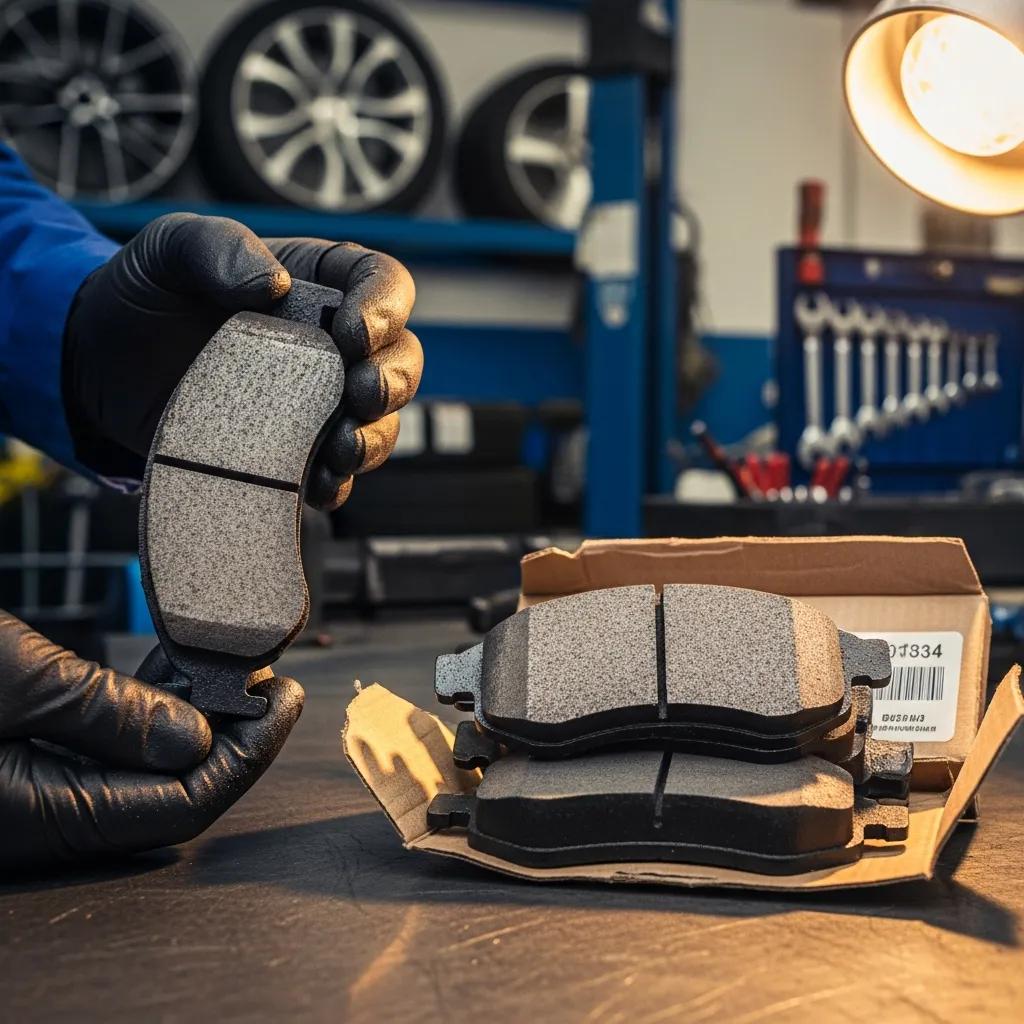
Visual Indicators of Wear: Inspecting the brake pads for thickness can reveal whether they need replacement. If the pads are less than a quarter-inch thick, it’s time to replace them.
Audible Warnings: Many brake pads are equipped with wear indicators that produce a high-pitched squeal when the pads are worn down, alerting the driver to the need for replacement.
Recommended Actions: Regular brake inspections and maintenance can help catch wear early. If you notice any signs of wear, consult a professional mechanic for an assessment.
What Does the Brake Warning Light Indicate on Your Dashboard?
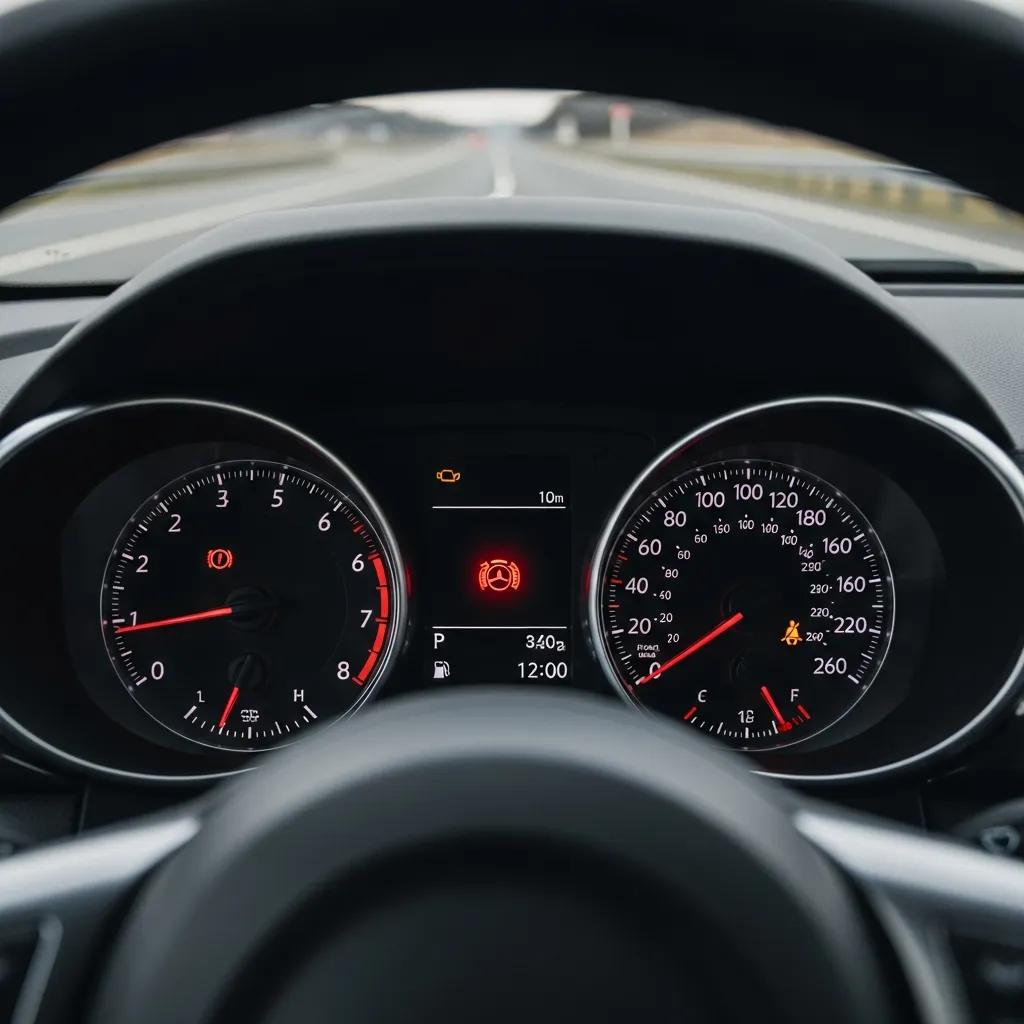
The brake warning light on your dashboard serves as an important alert for drivers. Understanding its significance can help you address potential issues promptly. The light may indicate low brake fluid levels, worn brake pads, or problems with the anti-lock braking system (ABS).
Indications of Low Brake Fluid: A low brake fluid level can compromise braking performance. If the warning light illuminates, check the fluid level and top it off if necessary.
Worn Brake Pads: If the brake pads are excessively worn, the warning light may activate. Regular inspections can help prevent this issue.
ABS Issues: If the ABS warning light is on, it may indicate a malfunction in the anti-lock braking system, which requires immediate attention from a professional.
Understanding these indicators can help you maintain your vehicle’s braking system effectively.
Future advancements in technology aim to provide even more precise and early warnings for brake fluid and pad wear, enhancing overall vehicle safety.
Advanced Brake Fluid & Pad Wear Sensing for Vehicle Safety
The Continuous Fluid Level and Quality Indicator (CFLQI) technology is focused on increasing the sampling frequency of brake fluid reservoir volume and detecting specific brake fluid contaminants. CFLQI targets to improve diagnostics detection range and resulting degraded vehicle operation strategies by increasing sensitivity to brake fluid loss and the addition of a fluid quality feature. The theory of CFLQI is to improve future autonomous and highly automated vehicle performance, both of which will have reduced driver input and service schedules, by providing earlier fluid level and fluid health warnings. The two technologies selected to prove theory of operation were ultra-sonic sensor and capacitive sense element technology. Both technologies show initial capability to meet fluid sensing targets with system level ASIL D ASIC design. The CFLQI compliments and improves upon current technology of brake pad wear sensors, leak detection diagnostics and brake fluid level monitoring.
Advanced continuous sensing technology for hydraulic brake fluid, 2022
What Causes Brake Issues: Understanding the Root Problems Behind Warning Signs
Brake issues can arise from various underlying problems. Understanding these root causes can help drivers take preventive measures. Common causes include worn brake pads, damaged rotors, and leaking brake fluid.
Worn Brake Pads: Over time, brake pads wear down due to friction. Regular inspections can help identify when they need replacement.
Damaged Rotors: Warped or damaged rotors can lead to vibrations and reduced braking efficiency. If you notice these symptoms, have your rotors checked.
Leaking Brake Fluid: A leak in the brake lines can lead to a loss of hydraulic pressure, compromising braking performance. If you suspect a leak, seek professional assistance immediately.
By understanding these causes, drivers can take proactive steps to maintain their brake systems.
Brake noise and vibration are critical indicators of underlying brake system problems. Recognizing these signs can help you address issues before they worsen. Common noises include squeaking, grinding, and vibrations during braking.
Squeaking or Squealing: This noise often indicates that the brake pads are worn and need replacement. Ignoring this sound can lead to further damage.
Grinding Noise: A grinding sound typically means that the brake pads are completely worn down, and the metal backing is making contact with the rotor. This requires immediate attention to prevent rotor damage.
Vibrations or Pulsations: If you feel vibrations in the brake pedal, it may indicate warped rotors or other mechanical issues. Have your brakes inspected to determine the cause.
Addressing these symptoms promptly can help maintain your vehicle’s safety and performance.
When Should You Seek Professional Brake Service at Route 40 Auto in Bridgeport, OH?
Knowing when to seek professional brake service is essential for vehicle safety. Signs indicating the need for service include unusual noises, a spongy brake pedal, and warning lights on the dashboard.
Signs Indicating the Need for Service: If you notice any of the common warning signs discussed earlier, it’s time to consult a professional.
Importance of Timely Inspections: Regular brake inspections can help catch issues early, preventing costly repairs and ensuring safety.
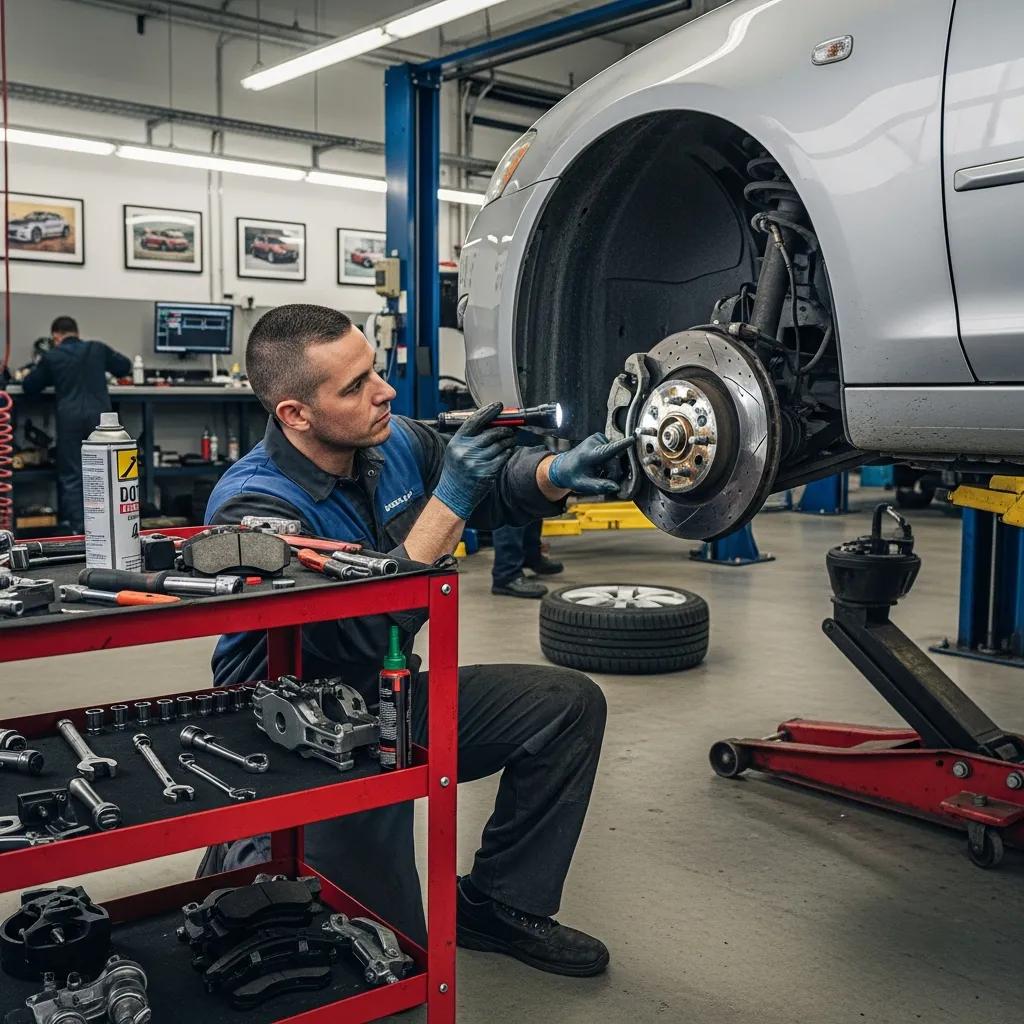
Services Offered by Route 40 Auto: Route 40 Auto specializes in comprehensive brake inspections and repairs, ensuring your vehicle remains safe on the road.
By seeking professional help when needed, you can maintain your vehicle’s braking system effectively.
Why Is Prompt Brake Service Essential and How to Book Expert Repairs Locally?
Prompt brake service is crucial for ensuring vehicle safety and performance. Delaying necessary repairs can lead to more significant issues and increased repair costs. Understanding the booking process at Route 40 Auto can help you get the service you need.
Impact on Vehicle Safety: Properly functioning brakes are vital for safe driving. Neglecting brake issues can lead to accidents and injuries.
Booking Process at Route 40 Auto: To schedule a brake inspection or repair, simply contact Route 40 Auto for an appointment. Their team is ready to assist you with your brake service needs.
Customer Satisfaction: Route 40 Auto is committed to providing high-quality service and ensuring customer satisfaction. Their experienced technicians will ensure your brakes are in top condition.
By prioritizing prompt brake service, you can enhance your vehicle’s safety and performance.
Recognizing Unusual Noises as Brake Warning Signs
Unusual noises from your vehicle can be a critical indicator of brake issues that require immediate attention. Drivers should be alert to sounds such as squeaking, grinding, or hissing, as these noises often signal that brake components are worn or malfunctioning.
For instance, a high-pitched squeal typically indicates that the brake pads are nearing the end of their lifespan, while a grinding sound suggests that the pads have worn down completely, causing metal-on-metal contact. Ignoring these sounds can lead to more severe damage and costly repairs.
The Importance of Brake Fluid Maintenance
Brake fluid maintenance is essential for ensuring optimal braking performance and safety. Regularly checking and replacing brake fluid can prevent issues related to moisture contamination and hydraulic pressure loss, which can compromise the braking system's effectiveness.
For example, brake fluid should be replaced every two years or as recommended by the vehicle manufacturer. Neglecting this maintenance can lead to a spongy brake pedal feel and ultimately result in brake failure, highlighting the need for routine inspections and fluid checks.
Understanding the Role of Brake Rotors in Vehicle Safety
Brake rotors play a crucial role in the overall safety and functionality of your vehicle's braking system. These components are responsible for dissipating heat generated during braking and providing a smooth surface for brake pads to grip.
Over time, rotors can become warped or damaged due to excessive heat or wear, leading to reduced braking efficiency and increased stopping distances. Regular inspections of rotors can help identify issues early, ensuring that your vehicle remains safe and responsive on the road.
Common Myths About Brake Maintenance Debunked
There are several myths surrounding brake maintenance that can lead to misunderstandings about vehicle safety. For instance, many drivers believe that brake pads only need to be replaced when they make noise, which can result in delayed service and potential safety risks.
In reality, brake pads should be inspected regularly, regardless of noise, as they can wear down silently. Additionally, some drivers may think that all brake fluid is the same, but using the wrong type can lead to system damage. Educating yourself on brake maintenance can help dispel these myths and promote safer driving practices.