How to Identify Suspension Problems: Warning Signs and Fixes
Suspension problems can significantly impact vehicle safety and performance, making it crucial for drivers to recognize the warning signs early. This article will explore the common symptoms of suspension issues, their implications, and how to address them effectively. Understanding these signs not only helps in maintaining vehicle safety but also enhances driving comfort and prolongs the lifespan of suspension components. We will cover various aspects, including noise causes, tire wear indicators, diagnostic indicators, and the relationship between vehicle alignment and suspension health. Additionally, we will discuss the costs associated with suspension repairs and how Route 40 Auto can assist with diagnostics and repairs in Bridgeport, OH.
What Are the Common Symptoms of Suspension Problems?
Identifying suspension problems early can prevent more severe issues down the line. Common symptoms include unusual noises, a bumpy ride, and uneven tire wear. These signs indicate that the suspension system may not be functioning correctly, which can compromise vehicle safety and comfort.
Unusual Noises: Clunking or rattling sounds when driving over bumps can signal worn-out components.
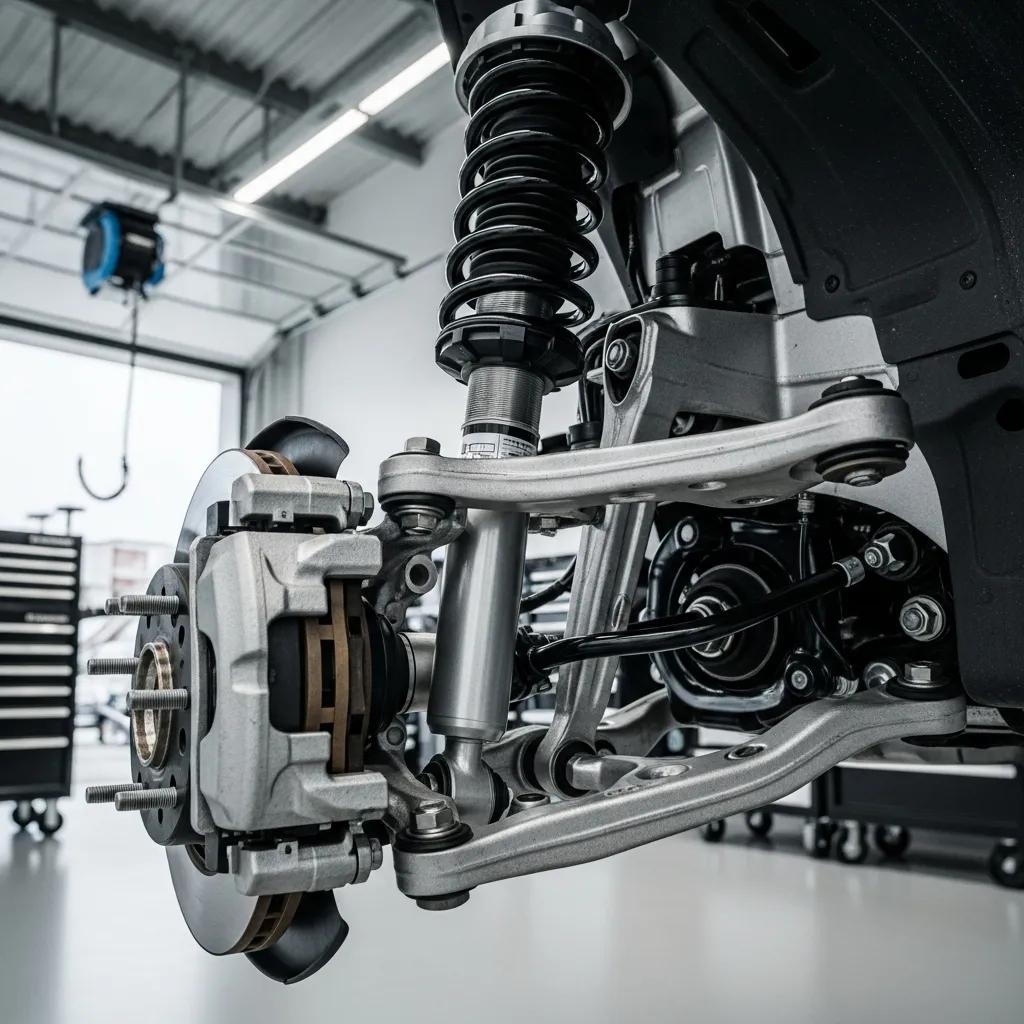
Bumpy Ride: If the vehicle feels excessively bouncy or unstable, it may indicate a failure in the shock absorbers or struts.
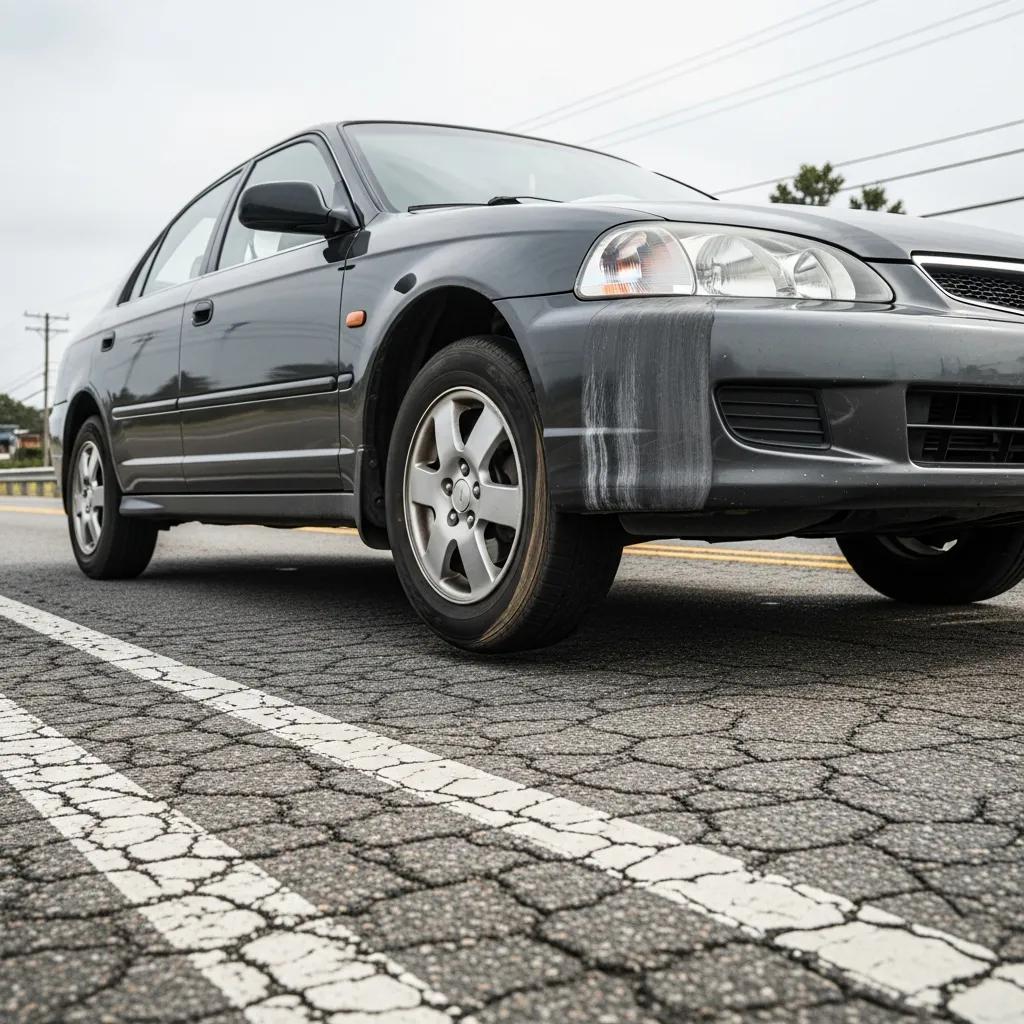
Uneven Tire Wear: Tires that wear unevenly can suggest alignment issues or failing suspension parts.
Recognizing these symptoms is the first step in ensuring your vehicle remains safe and reliable on the road.
How to Recognize Car Suspension Noise Causes and Their Implications
Suspension noise can arise from various sources, each indicating different issues. Understanding these noises is essential for timely repairs. Common types of noises include:
Clunking Sounds: Often caused by worn-out bushings or loose components, indicating a need for inspection.
Squeaking or Creaking: This may suggest dry or damaged joints, which can lead to further deterioration if not addressed.
Hissing Noises: Typically associated with air leaks in air suspension systems, requiring immediate attention.
These noises not only affect driving comfort but can also pose safety risks if left unaddressed. Regular inspections can help identify these issues early.
What Does Uneven Tire Wear Indicate About Suspension Health?
Uneven tire wear is a critical indicator of suspension health. It can reveal underlying issues that may compromise vehicle performance. Key signs include:
Inner or Outer Edge Wear: This often indicates misalignment, which can lead to handling problems.
Cupping or Scalloping: This pattern suggests worn shock absorbers or struts, affecting ride quality and safety.
Center Wear: This may indicate over-inflation or excessive camber, both of which can lead to suspension problems.
Regular tire inspections and rotations can help maintain even wear and prolong tire life, while also providing insights into suspension health.
Further research emphasizes the critical role of tire wear monitoring in ensuring overall vehicle safety and maintaining suspension health.
Tire Wear Monitoring for Vehicle Safety & Suspension Health
1. Addressing the critical issue of tire wear is essential for enhancing vehicle safety, performance, and maintenance. Worn-out tires often lead to accidents, underscoring the need for effective monitoring systems. This study is vital for several reasons: safety, as worn tires increase the risk of accidents due to reduced traction and longer braking distances; performance, as uneven tire wear affects vehicle handling and fuel efficiency; maintenance costs, as early detection can prevent more severe damage to suspension and alignment systems; and regulatory compliance, as ensuring tire integrity helps meet safety regulations imposed by transportation authorities.
Tire wear monitoring using feature fusion and CatBoost classifier, CV Prasshanth, 2024
How to Tell If Your Suspension Is Bad: Key Diagnostic Indicators
Several diagnostic indicators can help determine if your suspension is failing. Key signs include:
Diagnostic Tests: Professional assessments can reveal issues with shock absorbers and struts.
Visual Inspections: Look for leaks, cracks, or rust on suspension components.
Common Symptoms: Pay attention to changes in handling, such as swaying or bouncing.
These indicators are essential for maintaining vehicle safety and performance. If you notice any of these signs, it is advisable to seek professional assistance.
The importance of early detection is further highlighted by studies exploring advanced methods for real-time suspension fault monitoring.
Online Condition Monitoring for Automotive Suspension Faults
ABSTRACT: AbstractAs the most critical system that determines the driving performance, passenger comfort and road safety of a vehicle, the suspension system has not been found to have adequate monitoring systems available to provide early warnings of possible faults online. To fill this gap, this study has focused on the investigation of the dynamic behaviour of the suspensions upon which a new on-line condition suspension monitoring approach was proposed and verified under different conditions.
Characterisation of the dynamics of an automotive suspension system for on-line condition monitoring, M Hamed, 2016
What Are the Warning Signs of Shock Absorber and Strut Failure?
Shock absorbers and struts play a vital role in vehicle stability and comfort. Warning signs of failure include:
Clunking Noises: Indicate worn or damaged components.
Poor Handling: Difficulty in steering or maintaining control can signal suspension issues.
Fluid Leaks: Visible leaks around the shock absorbers suggest they need replacement.
Addressing these signs promptly can prevent further damage and ensure a safer driving experience.
How Does Vehicle Alignment Relate to Suspension Issues?
Vehicle alignment is closely linked to suspension health. Misalignment can lead to several problems, including:
Uneven Tire Wear: As previously mentioned, misalignment can cause tires to wear unevenly, affecting performance.
Handling Issues: A misaligned vehicle may pull to one side, making it difficult to control.
Increased Fuel Consumption: Poor alignment can lead to higher rolling resistance, reducing fuel efficiency.
Regular alignment checks are essential for maintaining suspension health and overall vehicle performance.
What Is the Typical Shock Absorber Lifespan and When Should They Be Replaced?
The lifespan of shock absorbers can vary based on several factors, including driving conditions and maintenance practices. Typically, shock absorbers last between 50,000 to 100,000 miles. Signs that they may need replacement include:
Excessive Bouncing: If the vehicle continues to bounce after hitting a bump, it may indicate worn shocks.
Leaking Fluid: Any visible fluid around the shock body suggests it needs replacement.
Diminished Ride Quality: A noticeable decrease in ride comfort can signal that shocks are failing.
Regular inspections can help determine the right time for replacement, ensuring optimal vehicle performance.
How Do Shock Absorber and Strut Lifespans Compare?
While both shock absorbers and struts serve similar functions, their lifespans can differ. Generally, struts tend to wear out faster due to their role in supporting the vehicle’s weight and providing structural integrity. Key differences include:
Lifespan: Struts typically last around 50,000 to 100,000 miles, while shocks can last longer, usually up to 100,000 miles.
Replacement Timing: Struts may need to be replaced more frequently, especially in vehicles with heavy loads or rough driving conditions.
Impact on Performance: Worn struts can significantly affect handling and safety, making timely replacement crucial.
Understanding these differences can help vehicle owners make informed decisions regarding maintenance.
What Factors Influence the Durability of Suspension Components?
Several factors can influence the durability of suspension components, including:
Driving Conditions: Rough terrain and frequent potholes can accelerate wear and tear.
Maintenance Practices: Regular inspections and timely repairs can extend the lifespan of suspension parts.
Component Quality: Higher-quality parts often last longer and perform better under stress.
By being aware of these factors, vehicle owners can take proactive steps to maintain their suspension systems.
What Is the Cost to Fix Suspension Problems and What Affects Pricing?
The cost to fix suspension problems can vary widely based on several factors, including the type of repair needed and the vehicle’s make and model. Common costs include:
Shock Absorber Replacement: Typically ranges from $250 to $1,500, depending on the vehicle and the brand of parts used.
Strut Replacement: Can cost between $400 and $1,200.
Alignment Services: Usually costs around $75 to $150.
Understanding these costs can help vehicle owners budget for necessary repairs and maintenance.
How Are Suspension Repair Costs Broken Down by Service Type?
Service Type
Cost Range
Description
Shock Absorber Replacement
$250 – $1,500
Replacement of worn shock absorbers to restore ride quality.
Strut Replacement
$400 – $1,200
Replacement of struts, which support the vehicle’s weight and provide stability.
Wheel Alignment
$75 – $150
Adjusting the angles of the wheels to ensure proper contact with the road.
This breakdown helps vehicle owners understand the financial implications of suspension repairs and plan accordingly.
What Are Cost-Effective Maintenance Tips to Prevent Suspension Failure?
Preventing suspension failure can save vehicle owners significant costs in repairs. Here are some cost-effective maintenance tips:
Regular Inspections: Schedule routine checks to identify potential issues early.
Maintain Proper Tire Pressure: Keeping tires inflated to the recommended levels can reduce wear on suspension components.
Drive Carefully: Avoiding potholes and rough terrain can prolong the life of suspension parts.
Implementing these tips can help maintain suspension health and enhance vehicle performance.
How Can Route 40 Auto Assist with Suspension Diagnostics and Repair in Bridgeport, OH?
Route 40 Auto offers comprehensive suspension diagnostics and repair services in Bridgeport, OH. Our experienced technicians utilize advanced diagnostic tools to identify suspension issues accurately. We provide a range of services, including:
Suspension Inspections: Thorough assessments to detect potential problems.
Component Replacement: High-quality replacement parts to restore vehicle performance.
Alignment Services: Ensuring proper wheel alignment for optimal handling.
By choosing Route 40 Auto, you can ensure your vehicle receives the best care for its suspension system.
What Suspension Repair Services Does Route 40 Auto Offer Locally?
Route 40 Auto provides a variety of suspension repair services tailored to meet the needs of local drivers. Our services include:
Shock Absorber Replacement: Ensuring a smooth ride by replacing worn shocks.
Strut Replacement: Restoring vehicle stability with high-quality struts.
Wheel Alignment: Adjusting wheel angles to improve handling and tire wear.
Our commitment to quality and customer satisfaction makes us a trusted choice for suspension repairs in Bridgeport.
How to Book a Suspension Inspection Appointment with Route 40 Auto
Booking a suspension inspection appointment with Route 40 Auto is simple. Follow these steps:
The signs of bad suspension include a bumpy ride, uneven tire wear, excessive body roll during turns, and difficulty steering. If you notice these symptoms, it's crucial to have your suspension system inspected promptly to ensure safety and performance.
How can I identify signs of suspension rust damage?
Signs of suspension rust damage can be identified by looking for visible rust spots, flaking paint, or a rough texture on suspension components. Additionally, listen for unusual noises while driving and observe any changes in handling or ride quality.
What are the signs you need a new suspension?
The signs you need a new suspension include excessive bouncing, uneven tire wear, a rough ride, and difficulty steering. If you notice any of these symptoms, it's essential to have your suspension system inspected for safety and performance.
What symptoms indicate bad suspension performance?
The symptoms that indicate bad suspension performance include excessive bouncing, uneven tire wear, a rough ride, and difficulty steering. If you notice these signs, it's essential to have your suspension system inspected for safety and performance.
How can I spot rust on suspension?
Spotting rust on your suspension involves regularly inspecting the components for any discoloration, flaking, or rough textures. Look for orange or brown patches, particularly on metal parts, and check for any signs of corrosion around joints and mounts.
What are common signs of suspension failure?
Common signs of suspension failure include excessive bouncing, uneven tire wear, a pulling sensation while driving, and a noticeable decrease in ride comfort. If you experience these symptoms, it's crucial to seek professional diagnosis and repair.
How does bad suspension affect vehicle handling?
Bad suspension negatively impacts vehicle handling by causing decreased stability, increased body roll during turns, and longer stopping distances, making it difficult to maintain control and safety while driving.
What noises suggest suspension issues?
Noises that suggest suspension issues include clunking, rattling, or grinding sounds when driving over bumps, as well as squeaking noises during turns. These sounds often indicate worn or damaged components that require immediate attention for safety and performance.
How often should I check my suspension?
The frequency of checking your suspension is essential for vehicle safety. It's recommended to have your suspension inspected at least once a year or whenever you notice any unusual handling or noise while driving.
What causes suspension rust damage?
The causes of suspension rust damage include exposure to moisture, road salt, and debris, which can accelerate corrosion. Additionally, inadequate protective coatings and neglecting regular maintenance can contribute to the deterioration of suspension components.
How can I prevent suspension problems?
Preventing suspension problems involves regular vehicle maintenance, including routine inspections, timely replacement of worn-out parts, and ensuring proper tire pressure and alignment. Keeping your vehicle in good condition will enhance safety and performance.
What are the risks of ignoring suspension signs?
The risks of ignoring suspension signs include compromised vehicle safety, reduced handling and control, increased tire wear, and potential for more extensive and costly repairs. Addressing these issues promptly ensures a safer driving experience and maintains vehicle performance.
How do I know if my suspension is worn?
The signs of a worn suspension include a rough ride, excessive bouncing, uneven tire wear, and the vehicle pulling to one side. If you notice these symptoms, it's essential to have your suspension inspected by a professional.
What are the costs of suspension repairs?
The costs of suspension repairs can vary widely depending on the specific issue and vehicle type. Generally, repairs can range from $100 for minor adjustments to over $1,000 for extensive replacements or repairs.
How can I test my suspensions condition?
Testing your suspension's condition involves checking for signs of wear, such as unusual noises, uneven tire wear, or a bumpy ride. Additionally, you can perform a bounce test by pushing down on each corner of the vehicle to see how it rebounds.
What are the effects of bad suspension on tires?
The effects of bad suspension on tires include uneven tire wear, reduced traction, and compromised handling. This can lead to premature tire replacement and increased safety risks while driving.
How do I recognize uneven tire wear?
Recognizing uneven tire wear involves checking for irregular patterns on your tires, such as bald spots, cupping, or excessive wear on one side. These signs indicate potential alignment or suspension issues that need attention.
What should I do if I notice suspension issues?
If you notice suspension issues, it's crucial to have your vehicle inspected by a professional. Ignoring these problems can lead to decreased safety and performance, so contact Route 40 Auto in Bridgeport, OH, for a thorough diagnostic and repair service.
How can I maintain my vehicles suspension system?
Maintaining your vehicle's suspension system involves regular inspections for wear and tear, checking fluid levels, ensuring proper alignment, and replacing worn components promptly to enhance safety and performance.
What tools are needed for suspension inspection?
The tools needed for suspension inspection include a jack, jack stands, a wrench set, pliers, and a pry bar. These tools help in safely lifting the vehicle and examining suspension components for wear or damage.
How does driving style affect suspension wear?
Driving style significantly affects suspension wear. Aggressive driving, such as rapid acceleration, hard braking, and taking corners sharply, can lead to increased stress on suspension components, resulting in faster deterioration and the need for repairs.
What are the signs of a failing shock absorber?
The signs of a failing shock absorber include excessive bouncing, a rough ride, uneven tire wear, and visible fluid leaks. If you notice these symptoms, it's crucial to have your vehicle inspected promptly to ensure safety and performance.
How can I identify a leaking suspension component?
Identifying a leaking suspension component involves checking for visible fluid leaks around the shock absorbers or struts, listening for unusual noises while driving, and observing any changes in ride height or handling.
What role does suspension play in vehicle safety?
The role of suspension in vehicle safety is crucial. It ensures proper vehicle handling, stability, and comfort by absorbing shocks from the road, which helps maintain tire contact and control during driving, ultimately preventing accidents.
How can I tell if my vehicle needs new shocks?
The signs that indicate your vehicle needs new shocks include excessive bouncing after hitting bumps, a rough ride, or a noticeable tilt when turning. If you experience these symptoms, it’s time to have your shocks inspected.
What are the signs of a damaged strut?
The signs of a damaged strut include excessive bouncing while driving, uneven tire wear, a noticeable decrease in ride comfort, and a tendency for the vehicle to lean during turns.
How does road condition impact suspension health?
Road conditions significantly impact suspension health. Poorly maintained roads with potholes, bumps, and debris can cause excessive wear and tear on suspension components, leading to alignment issues, decreased handling, and potential safety hazards for the vehicle.
What should I look for during a suspension check?
During a suspension check, you should look for signs of wear such as uneven tire tread, fluid leaks from shock absorbers, and any unusual noises when driving. Additionally, check for visible damage to suspension components like springs and bushings.
How can I improve my vehicles suspension performance?
Improving your vehicle's suspension performance involves regular maintenance, such as checking and replacing worn-out components, ensuring proper alignment, and upgrading to high-quality shocks and struts for enhanced handling and comfort.
What are the long-term effects of suspension neglect?
The long-term effects of suspension neglect include decreased vehicle stability, increased tire wear, and compromised safety. Over time, this can lead to costly repairs and a higher risk of accidents, ultimately impacting your vehicle's performance and lifespan.
signs of bad suspension, signs of suspension rust damage, signs you need a new suspension, suspension problems in car symptoms, suspension warning, suspension on car, route 40 auto, route 40 auto bridgeport oh, route 40 auto wheeling wv, bad suspension symptoms, uneven tire wear may indicate problems with the suspension system
What Are the Long-Term Effects of Ignoring Suspension Problems?
Ignoring suspension problems can lead to severe long-term consequences for both vehicle performance and safety. Over time, unresolved issues can escalate, resulting in a complete suspension failure, which may compromise the vehicle's stability and handling.
Additionally, neglecting suspension maintenance can cause premature wear on other components, such as tires and brakes, leading to more costly repairs. For instance, a worn-out suspension can cause uneven tire wear, resulting in the need for more frequent tire replacements, thereby increasing overall maintenance costs.
How to Differentiate Between Suspension Issues and Other Vehicle Problems?
It can be challenging for car owners to distinguish between suspension problems and issues related to other vehicle systems. Common symptoms, such as unusual noises or a rough ride, may also indicate problems with the steering or braking systems.
To accurately identify the source of the issue, drivers should pay attention to the specific symptoms and consider having a professional diagnostic performed. For example, if a vehicle pulls to one side while driving, it could be a suspension problem, but it may also indicate an issue with wheel alignment or tire pressure.
What Role Does Regular Maintenance Play in Suspension Longevity?
Regular maintenance is crucial for extending the life of a vehicle's suspension system. Routine inspections can help identify early signs of wear and tear, allowing for timely repairs that can prevent more significant issues down the line.
For instance, regular checks of shock absorbers and struts can help ensure they are functioning correctly, which is vital for maintaining ride quality and safety. Additionally, maintaining proper alignment and tire pressure can further enhance suspension performance and longevity.
What Are the Environmental Impacts of Suspension System Failures?
Suspension system failures can have significant environmental impacts, particularly when they lead to increased tire wear and emissions. Worn suspension components can cause tires to wear unevenly, resulting in more frequent replacements and increased waste.
Moreover, a poorly functioning suspension can affect fuel efficiency, leading to higher carbon emissions. By maintaining a healthy suspension system, vehicle owners not only ensure their safety but also contribute to reducing their environmental footprint.