By Michael Malpezzi, Route 40 Auto
The cost of replacing a catalytic converter can vary significantly based on several factors including the type of vehicle, the model of the converter, and regional pricing dynamics. Understanding these costs is critical for vehicle owners who may experience symptoms of catalytic converter failure. In this article, we will explore the average costs associated with catalytic converter replacement, including the necessary considerations regarding parts, labor, and the impact of local market conditions. Additionally, we will delve into the differences between OEM and aftermarket parts, providing insights on pricing and quality.
Our exploration will unfold in several sections including: what catalytic converters are and why they need replacement, factors influencing replacement costs, and a special focus on replacement prices relevant to the Ohio Valley region, including Bridgeport, OH. Understanding these elements will equip vehicle owners with the necessary knowledge to make informed decisions regarding catalytic converter repair and replacement.
What Is a Catalytic Converter and Why Is Replacement Necessary?
A catalytic converter is an essential component of a vehicle’s exhaust system that plays a pivotal role in reducing harmful emissions. By facilitating chemical reactions, it converts toxic gases produced by combustion into less harmful emissions before they exit the vehicle. Without a properly functioning catalytic converter, vehicles can fail to meet environmental regulations, resulting in potential fines and costly repairs in the long run.
Replacement becomes necessary when the catalytic converter fails, which can lead to decreased engine performance and increased emissions. Ignoring a faulty catalytic converter can also cause severe damage to other engine parts, compounding repair costs. Therefore, recognizing when to replace this critical component is essential for maintaining vehicle performance and ensuring compliance with emission regulations.
How Does the Catalytic Converter Function in Vehicle Emission Control?
The catalytic converter functions by employing catalysts, typically comprised of platinum, palladium, and rhodium, to initiate chemical reactions that transform harmful substances into less toxic emissions. These converters are engineered to facilitate reactions that oxidize carbon monoxide and hydrocarbons while reducing nitrogen oxides, making them pivotal to vehicle emission control systems.
Understanding the converter’s operation helps vehicle owners appreciate its complexity and the importance of maintaining it in good working condition. A malfunction in the catalytic system can not only impair vehicle performance but can also lead to environmental compliance issues, prompting the need for timely replacement.
What Common Symptoms Indicate Catalytic Converter Failure?

Identifying symptoms of catalytic converter failure early can save vehicle owners from expensive repairs. Common indicators include:
- Decreased Engine Performance: A noticeable drop in power, acceleration, and fuel efficiency can signify a malfunctioning converter.
- Warning Lights: The check engine light may illuminate on the dashboard when the vehicle’s onboard diagnostic system detects issues with the emissions system.
- Unusual Noises: Loud rumbles or hissing sounds from the exhaust may indicate that the catalytic converter is failing or clogged.
By recognizing these symptoms, vehicle owners can take proactive measures, including seeking diagnostics and scheduling repairs, which can ultimately lead to significant cost savings.
Key Factors Influencing Catalytic Converter Replacement Costs
Several factors affect the cost associated with replacing a catalytic converter, making it essential for vehicle owners to be aware of these elements:
- Vehicle Type and Model: Luxury vehicles may have specialized parts, leading to higher replacement costs compared to standard vehicles.
- Labor Costs: The region where the replacement service is performed greatly influences labor rates. Typically, urban areas may have higher labor costs than rural settings.
- Parts Quality and Market Demand: Both OEM (original equipment manufacturer) and aftermarket parts have distinct price points and quality considerations that can affect overall replacement costs.
Understanding these factors allows vehicle owners to make informed decisions based on their specific circumstances.
How Do Vehicle Type and Converter Model Affect Replacement Price?
The model of the vehicle and the specific type of catalytic converter required are significant contributors to the overall cost of replacement. Luxury or performance vehicles often require more expensive OEM converters due to their tailored specifications, while standard vehicles may have more accessible aftermarket options available.
Additionally, the complexity of the installation process can vary by vehicle type. Some models may require extensive labor to access the catalytic converter, which can further raise costs. Therefore, knowing the specific requirements for one’s vehicle can help anticipate expenses.
What Role Do Labor, Parts, and Regional Pricing Play in Cost Calculation?
Labor rates significantly differ by region, which can contribute to variations in replacement costs. In the Ohio Valley, for instance, local labor costs may be competitive, creating opportunities for vehicle owners to seek affordable repair options.
Additionally, the choice of parts impacts pricing. OEM converters typically come at a premium due to their guaranteed fit and quality, whereas aftermarket options may provide a cost-effective alternative for budget-conscious consumers. Researching local pricing for parts and labor offers vehicle owners insights into potential savings during replacement.
How Do OEM and Aftermarket Catalytic Converters Compare in Price and Quality?
When replacing a catalytic converter, vehicle owners often weigh the benefits and drawbacks of choosing between OEM and aftermarket options.
- OEM Catalytic Converters: Offer guaranteed compatibility and are generally considered superior in quality. However, they come with a higher price tag, reflecting their original manufacturer status.
- Aftermarket Catalytic Converters: Provide a less expensive alternative that can perform adequately. They may vary in quality, and while many aftermarket options are reliable, some may not meet the same standards as OEM parts.
Understanding these differences allows vehicle owners to select the option that best aligns with their priorities for quality and cost.
What Are the Advantages and Pricing Differences of OEM vs Aftermarket Parts?
Choosing between OEM and aftermarket catalytic converters involves understanding the advantages of each:
- Quality Assurance of OEM Parts: These parts are manufactured by the vehicle’s original manufacturer, ensuring high compatibility and reliability.
- Price Competitiveness of Aftermarket Options: Aftermarket parts often come at a lower cost, making them attractive for budget-conscious consumers.
- Regulatory Compliance: OEM parts are typically built to meet stringent emissions standards, whereas some aftermarket parts may not provide the same assurances.
Making the right choice hinges on balancing quality against cost while considering the potential impact on vehicle performance and compliance.
Are There Regulatory or Warranty Considerations Between OEM and Aftermarket Options?
There are several regulatory and warranty implications that vehicle owners should consider when replacing their catalytic converters. Using an aftermarket converter can potentially void manufacturer warranties if it does not meet specific emission standards.
Additionally, consumers should remain aware of local regulations regarding emissions to ensure compliance. In cases where warranty coverage or regulatory adherence is paramount, opting for OEM parts might be the best course of action.
What Are the Average Replacement Costs for Catalytic Converters in the Ohio Valley Region?
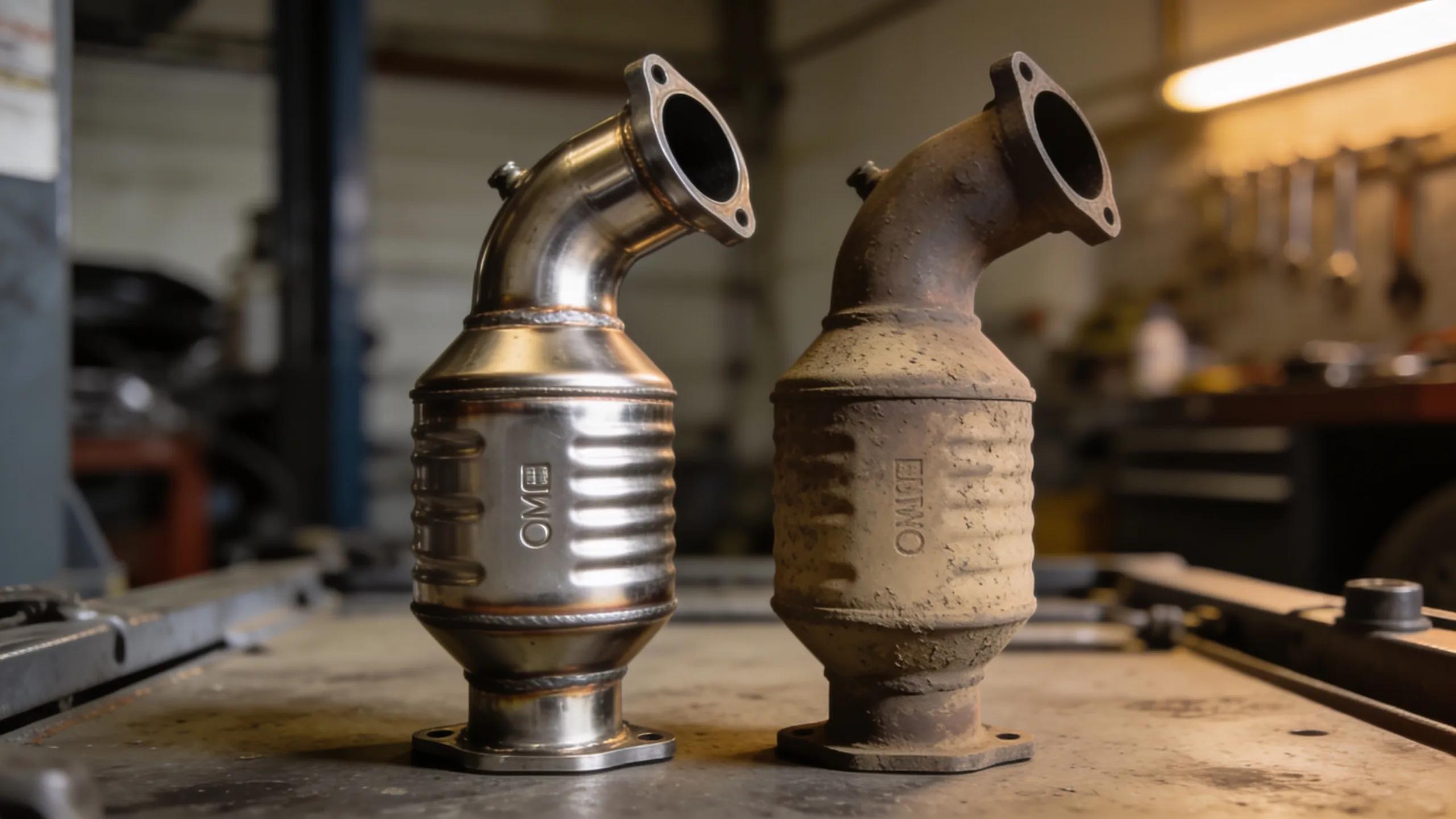
In the Ohio Valley region, the average replacement costs for catalytic converters can range significantly based on vehicle make and model, parts chosen, and local labor rates. Generally, prices for OEM converters vary from $800 to $3,000, while aftermarket alternatives might cost $400 to $2,000.
These price ranges reflect both the part’s quality and the installation complexity involved. Vehicle owners need to weigh their options based on these factors to make informed financial decisions regarding repairs.
How Does Pricing for Catalytic Converter Replacement in Bridgeport, OH, Compare Regionally?
When comparing pricing for catalytic converter replacement in Bridgeport, OH, certain local dynamics come into play. The cost of labor in Bridgeport tends to be lower than in metropolitan areas, often making local services more appealing for vehicle owners.
Furthermore, the availability of aftermarket options allows for competitive pricing, providing several choices for consumers looking for cost-effective solutions. Understanding local pricing trends can help vehicle owners navigate their repair options with clarity.
What Factors Unique to the Ohio Valley Affect Replacement Pricing?
The Ohio Valley region has unique market conditions that can influence catalytic converter replacement pricing. Factors include:
- Local Market Conditions: The availability of parts and services can greatly affect local pricing structures, often resulting in lower costs due to competitive pressures.
- Vehicle Prevalence: Certain vehicle types may be more common in the region, leading to more options and better pricing for compatible parts.
- Labor Skill Variability: The presence of qualified technicians can impact service quality and pricing. Regions with skilled labor can offer better repair services, often resulting in higher confidence for consumers.
These factors underscore the importance of local market insights when considering catalytic converter replacement in Ohio.
What Is the Typical Process for Catalytic Converter Replacement at Route 40 Auto?
At Route 40 Auto, the process for catalytic converter replacement is streamlined to ensure efficiency and customer satisfaction. The typical process involves:
- Diagnostic Assessment: Technicians perform an initial diagnostic to confirm the necessity for replacement and identify any accompanying issues.
- Removing the Old Converter: This step involves safely detaching the faulty component while taking care to prevent damage to surrounding parts.
- Installation of the New Converter: The new catalytic converter is installed, ensuring proper fitting and installation.
- Follow-Up Inspections: After installation, technicians conduct follow-up inspections to verify performance and compliance with emission standards.
This thorough process illustrates Route 40 Auto’s commitment to delivering high-quality automotive services.
How Does Route 40 Auto Ensure Quality and Customer Satisfaction During Service?
Route 40 Auto prioritizes customer satisfaction by employing knowledgeable staff and utilizing high-quality parts for repairs. Their approach includes:
- Transparent Communication: Customers receive clear explanations of repairs needed and associated costs, ensuring there are no surprises.
- Post-Service Support: Follow-ups after service ensure that any concerns are promptly addressed, reinforcing trust and reliability.
- Appointment Scheduling: Convenient scheduling allows customers to receive timely service without unnecessary delays.
These efforts contribute to Route 40 Auto’s reputation as a reliable automotive service provider in the Ohio Valley region.
What Frequently Asked Questions Should Vehicle Owners Know About Catalytic Converter Replacement?
Vehicle owners often have questions regarding catalytic converter replacement. Here are some common inquiries:
- Can I drive with a faulty catalytic converter?: It is not advisable, as it can lead to further vehicle damage and emissions compliance issues.
- How do I know when to replace my catalytic converter?: Symptoms such as poor performance, bad smells, and dashboard warning lights indicate that it may be time for replacement.
- What should I consider when choosing a replacement part?: Factors such as quality, compatibility with your vehicle, and warranty considerations should all influence your decision.
These essential questions highlight the importance of being well-informed about catalytic converter maintenance and replacement.
About Route 40 Auto and the Author
Route 40 Auto has been a trusted repair shop right off I-70 exit in Bridgeport, OH since 1989. Specializing in exhaust system repairs, muffler replacements, custom exhaust and engine diagnostics.
Michael Malpezzi has been involved with combustion, automotive and industrial engine repair for over 25 years. He holds degrees in Nuclear Engineering from Thomas Edison University and Engineering Management from Southern Methodist University and has contributed to numerous industry publications on automotive diagnostics and repair. Route 40 Auto is committed to providing accurate, research-backed information to help vehicle owners maintain their cars efficiently and comply with environmental standards.